Embark on a journey to discover the world of eco-friendly roofing contractors. From sustainable practices to cost-saving solutions, this guide delves into everything you need to know about finding the right contractors for your eco-friendly roofing project.
Delve deeper into the realm of eco-friendly roofing contractors with a focus on qualifications, materials, and sustainable practices.
Researching Eco-Friendly Roofing Contractors
When looking to hire a contractor for eco-friendly roofing, it is essential to consider certain key characteristics that set them apart from traditional roofing contractors. These characteristics can make a significant difference in the sustainability and environmental impact of your roofing project.
Key Characteristics of Eco-Friendly Roofing Contractors
- Specialization in eco-friendly materials and practices
- Experience with green building certifications and standards
- Knowledge of energy-efficient roofing options
- Commitment to sustainable roofing practices
Importance of Hiring Contractors Specialized in Eco-Friendly Practices
Contractors specialized in eco-friendly practices are crucial for ensuring that your roofing project aligns with your sustainability goals. These contractors have the expertise to recommend and implement environmentally friendly solutions that can reduce energy consumption, minimize waste, and lower your carbon footprint.
Comparison of Different Eco-Friendly Roofing Options Offered by Contractors
| Roofing Option | Benefits |
|---|---|
| Solar Roofing | Generates renewable energy and reduces electricity costs |
| Green Roofing | Improves insulation, reduces urban heat island effect, and supports biodiversity |
| Cool Roofs | Reflects sunlight, reduces heat absorption, and lowers cooling costs |
Qualifications and Certifications
When it comes to choosing an eco-friendly roofing contractor, qualifications and certifications play a crucial role in ensuring the quality and reliability of the work being done on your home. Contractors with the right qualifications and certifications demonstrate their expertise and commitment to sustainable roofing practices.
Certifications for Eco-Friendly Roofing Contractors
- LEED Certification: Leadership in Energy and Environmental Design (LEED) certification is a globally recognized credential that signifies a contractor's knowledge and proficiency in sustainable building practices.
- Green Roof Professional (GRP) Certification: This certification focuses specifically on green roof installations and maintenance, ensuring that contractors have the necessary skills to work with eco-friendly roofing materials.
- Energy Star Certification: Contractors who are Energy Star certified have demonstrated their ability to install energy-efficient roofing systems that reduce energy consumption and lower utility costs.
Eco-Friendly Roofing Materials
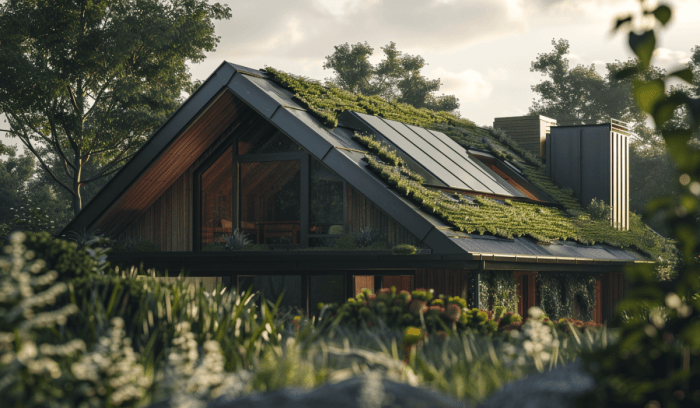
When it comes to eco-friendly roofing materials, there are several options available that not only help reduce environmental impact but also offer long-term benefits for homeowners.
Types of Eco-Friendly Roofing Materials
- Solar Tiles: These are solar panels designed to look like traditional roof tiles, harnessing the sun's energy to generate electricity for the home.
- Recycled Shingles: Made from recycled materials such as plastic, rubber, or wood fibers, these shingles are durable and help reduce waste.
- Green Roof: A living roof covered with vegetation that provides insulation, reduces stormwater runoff, and improves air quality.
- Metal Roofing: Metal roofs are long-lasting, recyclable, and energy-efficient, making them a sustainable choice for eco-conscious homeowners.
Sustainability of Eco-Friendly Roofing Materials
Compared to traditional roofing materials, eco-friendly options like solar tiles and green roofs have a lower carbon footprint and contribute to energy savings over time. Recycled shingles help reduce landfill waste and promote a circular economy. Metal roofing is durable and can be recycled at the end of its lifespan, further reducing environmental impact.
Benefits of Using Eco-Friendly Materials for Roofing Projects
- Energy Efficiency: Eco-friendly roofing materials can help lower energy bills by improving insulation and reducing the need for heating or cooling.
- Environmental Impact: By choosing sustainable materials, homeowners can reduce their carbon footprint and contribute to a healthier planet.
- Durability: Many eco-friendly roofing options are long-lasting and require less maintenance, saving homeowners time and money in the long run.
Cost and Budgeting
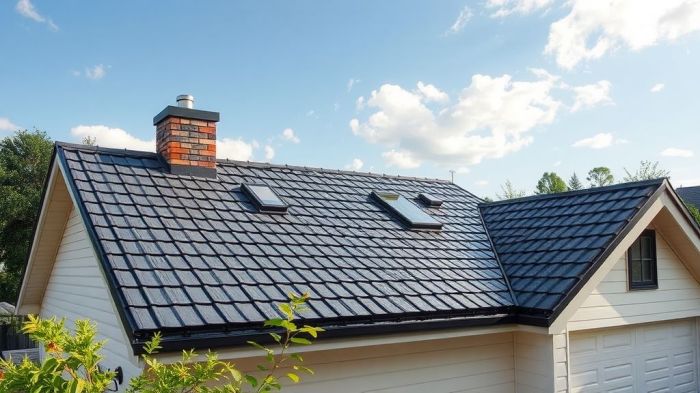
When it comes to eco-friendly roofing options, cost and budgeting play a significant role in the decision-making process. Analyzing the cost differences between traditional roofing materials and eco-friendly alternatives is crucial for homeowners looking to make a sustainable choice for their home.
Cost Differences
- Traditional roofing materials such as asphalt shingles may have a lower upfront cost compared to eco-friendly options like metal or solar panels.
- However, eco-friendly roofing materials tend to have a longer lifespan and require less maintenance, resulting in cost savings over time.
- It's important to consider the overall cost of ownership, including installation, maintenance, and energy savings, when comparing traditional and eco-friendly roofing options.
Budgeting Tips
- Start by setting a realistic budget based on your home's size, roofing needs, and long-term goals.
- Research different eco-friendly roofing materials and their costs to determine the most cost-effective option for your budget.
- Get multiple quotes from reputable eco-friendly roofing contractors to compare prices and services before making a decision.
Long-Term Cost Savings
- Eco-friendly roofing solutions, such as solar panels or cool roofs, can help reduce energy costs by improving insulation and reducing heat absorption, resulting in lower utility bills.
- Many eco-friendly roofing materials are durable and require less maintenance, saving homeowners money on repairs and replacements in the long run.
- Investing in an eco-friendly roof can increase the overall value of your home and potentially lead to savings on insurance premiums, making it a smart long-term financial decision.
Finding Local Contractors
When it comes to eco-friendly roofing projects, finding local contractors can offer several advantages. Local contractors are often more familiar with the climate, regulations, and specific needs of your area, making them well-equipped to handle eco-friendly roofing installations. Additionally, hiring local contractors can contribute to the local economy and reduce the carbon footprint of the project by minimizing transportation distances.
Methods for Finding Local Contractors
- Ask for recommendations from friends, family, or neighbors who have had eco-friendly roofing projects done.
- Check online directories or platforms that specialize in connecting homeowners with local contractors.
- Attend local home improvement or green living events where you can meet and interact with eco-friendly roofing contractors.
Advantages of Hiring Local Contractors
- Local contractors are more likely to be familiar with the specific environmental regulations and building codes in your area, ensuring compliance with eco-friendly standards.
- Local contractors have existing relationships with suppliers and manufacturers in the area, which can lead to cost savings and quicker project timelines.
- Working with local contractors can provide a higher level of accountability and accessibility, as they are easily reachable for any post-installation support or maintenance needs.
Tips for Verifying Reputation and Credibility
- Check online reviews and ratings on trusted platforms to gauge the satisfaction level of previous clients.
- Ask for references and follow up with past customers to get firsthand feedback on the contractor's work quality and professionalism.
- Verify the contractor's licensing, insurance, and certifications to ensure they meet the necessary qualifications for eco-friendly roofing projects.
Sustainable Practices
When it comes to eco-friendly roofing, it is essential for contractors to follow sustainable practices to minimize the environmental impact of their installations. By implementing innovative techniques and utilizing eco-friendly materials, these contractors can contribute to a more sustainable future.
Implementing Sustainable Practices
- Utilizing recycled materials: Eco-friendly roofing contractors can reduce waste by using recycled materials such as reclaimed wood, metal, or rubber for roofing installations.
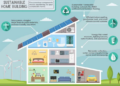
- Installing solar panels: Integrating solar panels into roofing systems can help reduce energy consumption and lower utility costs for homeowners.
- Implementing green roof systems: Green roofs, which involve planting vegetation on the roof surface, can improve air quality, reduce stormwater runoff, and provide insulation.
Environmental Impact of Eco-Friendly Roofing
- Reduced carbon footprint: Eco-friendly roofing materials and practices can help decrease carbon emissions associated with traditional roofing systems.
- Energy efficiency: By enhancing insulation and utilizing solar energy, eco-friendly roofs can contribute to lower energy consumption and greenhouse gas emissions.
Innovative Sustainable Practices
- Cool roofing technology: Reflective roof coatings and materials can reduce heat absorption, lower indoor temperatures, and decrease the urban heat island effect.
- Water conservation: Harvesting rainwater from eco-friendly roofs can help in irrigation, reduce stormwater runoff, and alleviate pressure on municipal water systems.
Final Summary
In conclusion, finding home improvement contractors for eco-friendly roofing involves a careful balance of qualifications, materials, and sustainable practices. By choosing the right contractors, you can ensure a roofing project that is both environmentally friendly and cost-effective.
Clarifying Questions
What are some key characteristics of eco-friendly roofing contractors?
Eco-friendly roofing contractors prioritize sustainability, use environmentally friendly materials, and follow green building practices.
Why is it important to hire contractors specialized in eco-friendly practices?
Specialized contractors have the knowledge and expertise to ensure that your eco-friendly roofing project is executed efficiently and with minimal environmental impact.
What are some reputable certifications in the eco-friendly roofing industry?
LEED certification, Energy Star certification, and Green Roof Professional certification are examples of reputable certifications for eco-friendly roofing contractors.
How do eco-friendly roofing materials compare in terms of sustainability?
Eco-friendly roofing materials vary in sustainability based on factors like energy efficiency, recyclability, and longevity.
What are some tips for budgeting for an eco-friendly roofing project?
Consider the long-term cost savings, explore financing options, and compare quotes from different contractors to budget effectively for your eco-friendly roofing project.